
A new ERP changes how people work every day. The storekeeper who kept stock in a notebook now scans barcodes, the salesperson who quoted on WhatsApp now quotes from the system, and the accountant who closed the month in Excel now works with locked periods. In many regional companies, teams are multinational, speak several languages and have long habits. Without deliberate change management, people find workarounds, and the system becomes an expensive record of what happened somewhere else.
FlexCode Middle East is part of FlexCode Systems GmbH, an Odoo Silver Partner. We implement Odoo, so Odoo is the system we describe, next to an honest look at the topic itself.
Key points
- The owner leads. Visible sponsorship from the top settles most debates.
- Key users carry it. Respected people from each team design, test and coach.
- Train by role and language. Short sessions on real tasks, in the language people work in.
- Close the old doors. Retire the spreadsheets and paper forms the system replaces.
Sponsorship and ownership
In family businesses and owner led companies, which are common across the region, people watch what the owner or general manager does. If the owner still asks for the old Excel report, everyone keeps maintaining it. The sponsor's job is to explain why the change matters, make the decisions that cross departments, and be seen using the system, even if only the dashboards.
Family groups should also read Odoo for family businesses and groups.
Key users
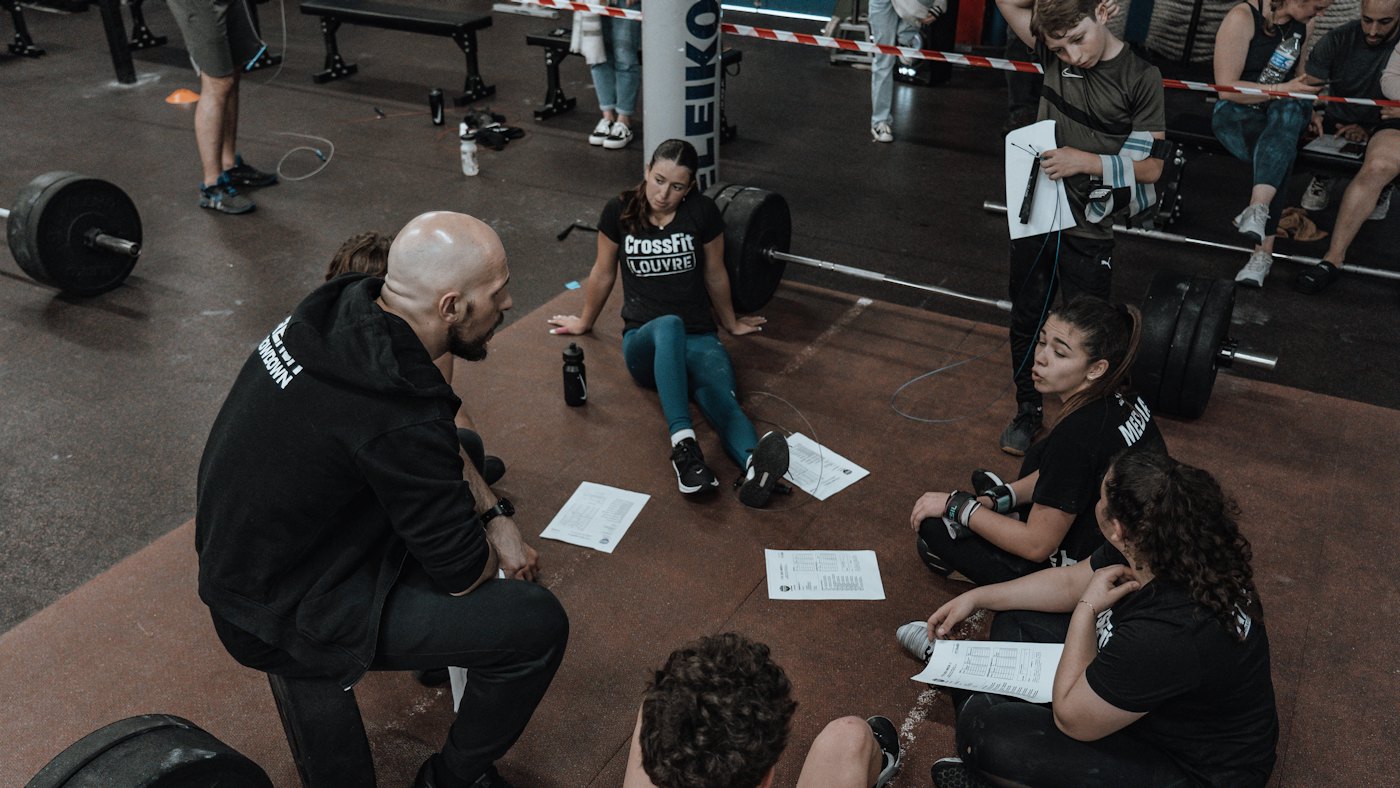
Each department names one or two key users: people who know the work, are respected by colleagues and can explain things patiently. They take part in design workshops, test the system with real scenarios, help train their teams and become the first line of support after go-live. Choosing the person who can be spared rather than the person who knows the work is a common and costly mistake.
- Give key users 30 to 50 percent of their time during the project.
- Recognise their role publicly and in their objectives.
- Let them make process decisions within agreed limits.
- Keep them as super users after go-live.
Communication and training
| Audience | Message | Format |
|---|---|---|
| Whole company | Why we are changing and what it means for you | Short talk by the owner, in Arabic and English |
| Managers | What changes in approvals and reports | Workshop with dashboards |
| Office users | How to do your daily tasks | Hands-on sessions by role |
| Warehouse and field staff | Scan, confirm, done | Training on the floor, in their language |
Many teams in the Gulf include staff who work best in Arabic, English, Hindi, Urdu, Tagalog or other languages. Odoo can switch interface language per user, and short task guides with screenshots in the right language help more than long manuals.
Interface languages are covered in Arabic and right to left in Odoo.
Handling resistance
- Fear of losing control: show people how the system makes their work visible and valued.
- Fear of mistakes: give a practice database and patient support in the first weeks.
- Extra work during the project: reduce other duties for key users.
- Old shortcuts lost: explain the control or compliance reason behind each new step.
- Parallel systems: set a date when the old spreadsheets and forms stop.
Many failed projects share these patterns; read why ERP projects fail.
Keeping the change after go-live
30 to 50%
Key user time during the project
Weekly
Adoption review in the first 3 months
1 date
When old spreadsheets stop
Per role
Short task guides
Track adoption with simple measures: share of quotations created in Odoo, invoices posted on time, stock counts done by scanning, timesheets submitted, month-end close duration. Review them weekly for the first three months and act on weak areas with refresher sessions, not blame.
Post go-live help is covered in Odoo support after go-live and the go-live checklist.
FlexCode helps your people adopt Odoo
We work with your sponsor and key users, train by role in Arabic and English, write short task guides and track adoption after go-live.
Frequently asked questions
Why is change management important in ERP?
Because people decide whether the system is used; software alone does not change habits.
Who should be key users?
Respected people who know the work in each department.
Can Odoo be used in several languages?
Yes. Each user can choose their interface language.
How do I stop parallel spreadsheets?
Set a cut-off date and have management stop asking for them.
How do I measure adoption?
With simple usage measures reviewed weekly after go-live.
Talk to us about how Odoo fits your business. Book a free call
Sources
Run invoicing, stock and accounts from one system.
FlexCode Middle East implements Odoo in Arabic and English for companies in Egypt, Saudi Arabia and the UAE.